FIELD TRIPS
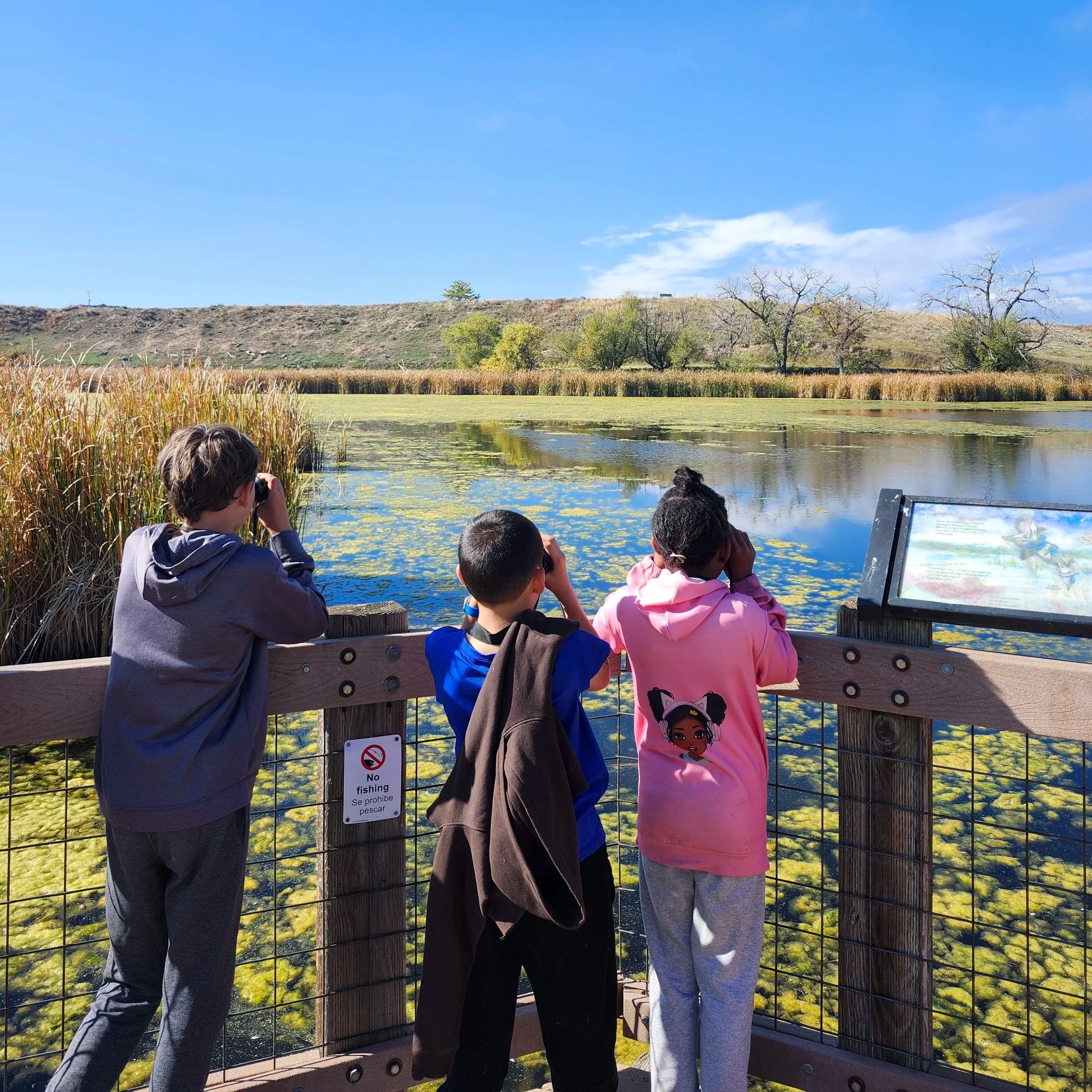
Bluff Lake Nature Center is the perfect spot for an immersive learning experience in nature with your classroom, homeschool group, club, or family! As a wildlife refuge, our programs emphasize responsible interaction with natural spaces, place-based ecological knowledge, and hands-on discovery of the natural world.
Our field trips consist of a series of facilitated learning experiences, outdoor play time, and an opportunity for lunch on site after the program. We offer a variety of standards-aligned topics for ECE-12th students and groups.
All our programs have materials available in English and Spanish, and a Spanish-speaking educator is available upon request for any topic.
We encourage Title I schools to visit us as we will waive your student fees and reimburse up to $250 per bus! This applies to Title I schools, ECE programs at Title I elementary schools, and all schools within the GOCO Northeast Metro priority areas.
Field Trip Schedules & Structure
ECE-8th Grade
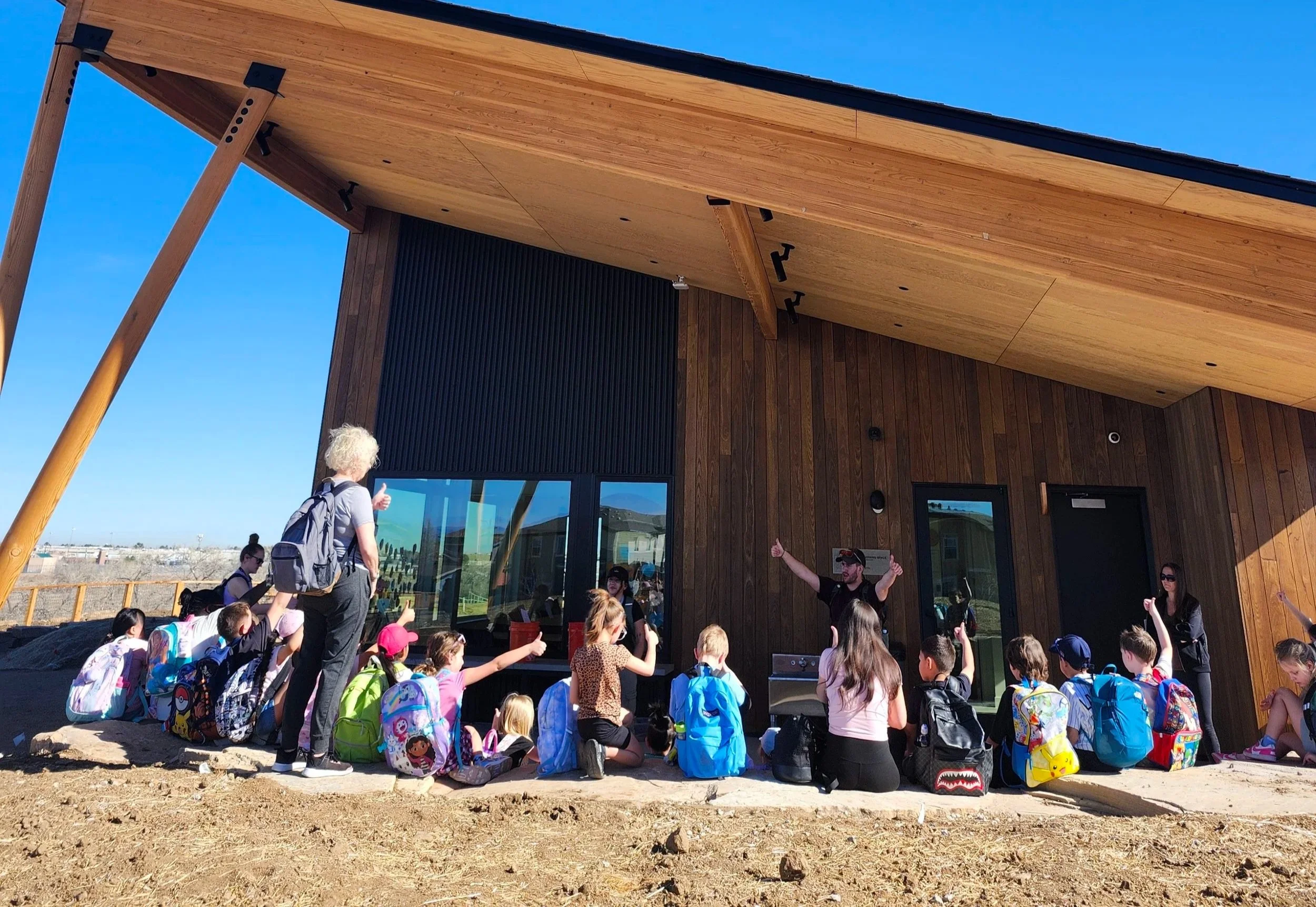
All standard field trips include:
An optional, free 30-minute pre-field trip visit to your group to share background information, help the students prepare, and explore objects and tools related to the field trip topic. Outreach visits are offered on a Monday prior to your scheduled field trip.
A guided field trip from 9:30am-12pm during the school year or 10:00am-12:30pm in the summer. Field trips are available Tuesday-Friday, except for holidays.
Snack time during the guided field trip and a reserved lunch space on site after the program upon request.
Up to 60 student participants per field trip date at a cost of $8 per student and an unlimited number of free chaperones. Participants will be divided into groups of up to 15 and assigned a Bluff Lake educator to guide their experience. If your group is larger than 60 students, please be prepared to register for two or more dates or contact us at education@blufflake.org.
Sample Field Trip Schedule:
9:30-9:45: Group Welcome and Introduction
9:45-10:10: Activity 1
10:10-10:35: Activity 2
10:35-10:55: Snack
10:55-11:20: Activity 3
11:20-11:45: Activity 4
11:45-12:00: Transition to Lunch/Departure
5th-12th Grade
All PBL field trips include:
A 1-hour pre-field trip visit to your group to share background information, help the students prepare to define problems and solutions on site, and explore objects and tools related to the field trip topic. Outreach visits are offered on a Monday prior to your scheduled field trip.
A guided field trip from 9:30am-12pm during the school year or 10:00am-12:30pm in the summer. Field trips are available Tuesday-Friday, except for holidays. Field trip time will be spent defining problems on site and beginning the solution generation process.
A reserved lunch space on site after the program upon request.
Two follow-up 1-hour visits (in-person or virtually) to support solution development and provide feedback on proposed solutions with 2 months of the field trip.
Ongoing communication between the group leader and BLNC staff to answer questions during the solution generation period (2 months after the field trip date).
Problem-based learning field trips are offered at a flat rate of $300 per classroom. This includes the three 1-hour pre- and post-visits and the 2.5-hour on-site field trip. Additional classrooms of the same grade and school are $250.
The full PBL field trip experience normally takes 2-3 months and is best suited to classrooms that want to incorporate it into their curriculum over a quarter or semester.
To schedule a Problem-based Learning Field Trip and your pre- and post-visits, email our Education Team at education@blufflake.org.
6th-12th Grade
All stewardship field trips include:
A 2 to 3-hour guided field trip, including introductory activities and onsite stewardship activities. Field trips are available Tuesday-Friday, except for holidays.
A reserved lunch space on site before or after the program upon request.
Up to 25 student participants per field trip date at a cost of $8 per student and an unlimited number of free chaperones. If your group is larger than 25 students, please be prepared to register for two or more dates.
To schedule a Stewardship Field Trip, email our Education Team at education@blufflake.org.
STANDARD FIELD TRIP TOPICS
Nature Discovery (ECE-1st)
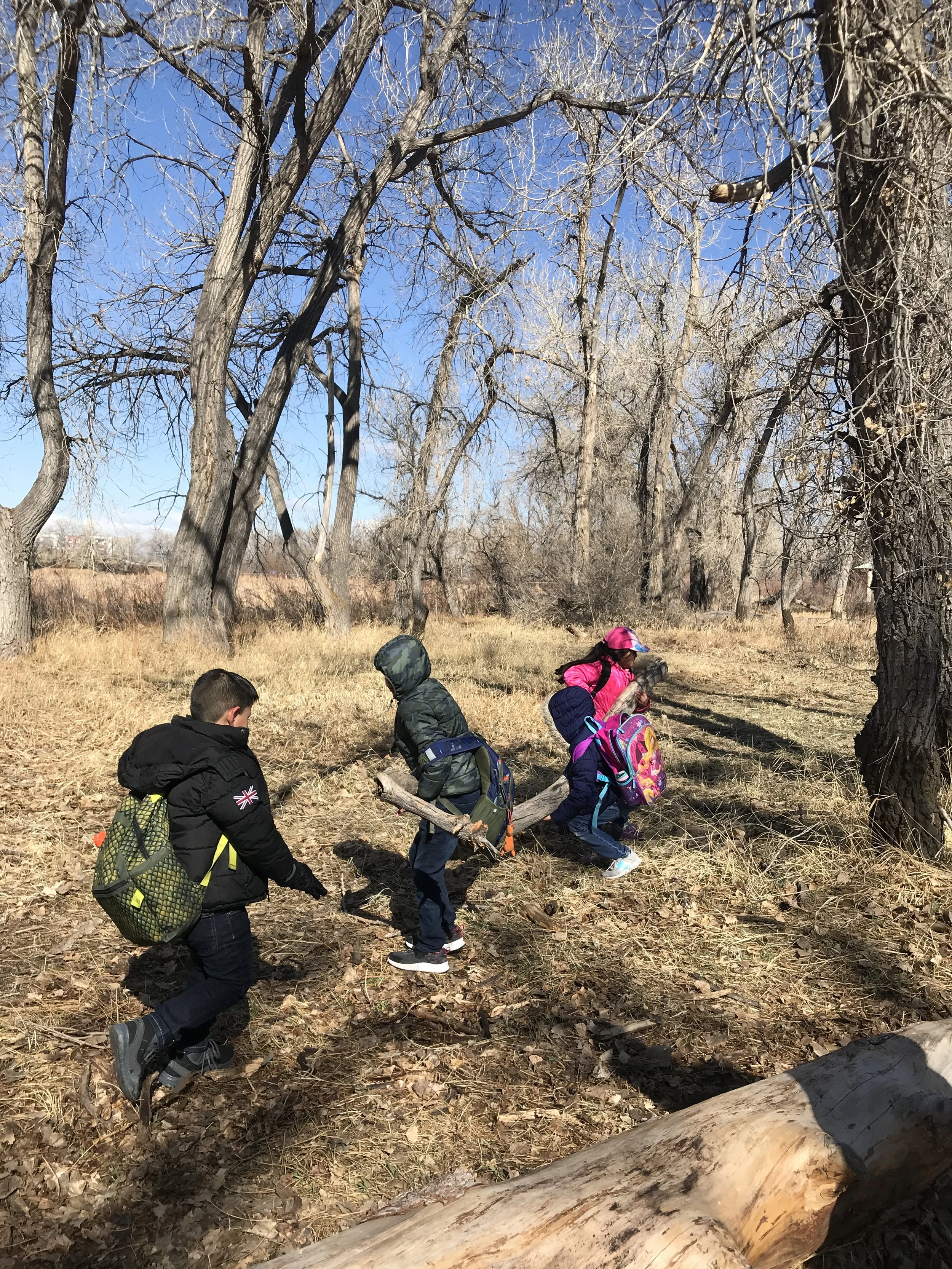
Students will become scientists and use their powers of questioning and observation to explore and interpret the natural world. As they interact with locations on site, students will investigate the properties of objects, the characteristics of living things, and the natural patterns all around us. Through hands-on explorations, movements, stories, dramatic play, and more, these young scientists will make their own nature discoveries!
Standards: SC.P.1.1, SC.P.2.1, SC.P.2.2, SC.P.3.1, SC.P.3.2, SC.K.2.1, SC.K.3.1, SC.K.3.2, SC.1.1.1, SC.1.2.1, SC.1.2.2

All About Animals (ECE-4th)
Students will learn about 9+ different native animals, including their characteristics, habitats, and interactions. Our educators will lead students on a hike to several locations around Bluff Lake where we will look for signs of animals and interact with real objects from animals that live on site. This includes prairie dog holes and scats, beaver teeth markings on trees, animal prints on the ground, and much more.
Standards: SC.P.1.1, SC.P.2.1, SC.P.3.1, SC.P.3.2, SC.K.2.1, SC.K.3.2, SC.1.2.1, SC.1.2.2, SC.2.2.1, SC.2.2.2, SC.3.2.1, SC.3.2.2, SC.3.2.3, SC.4.2.1
Healthy Habitats (K-3rd)
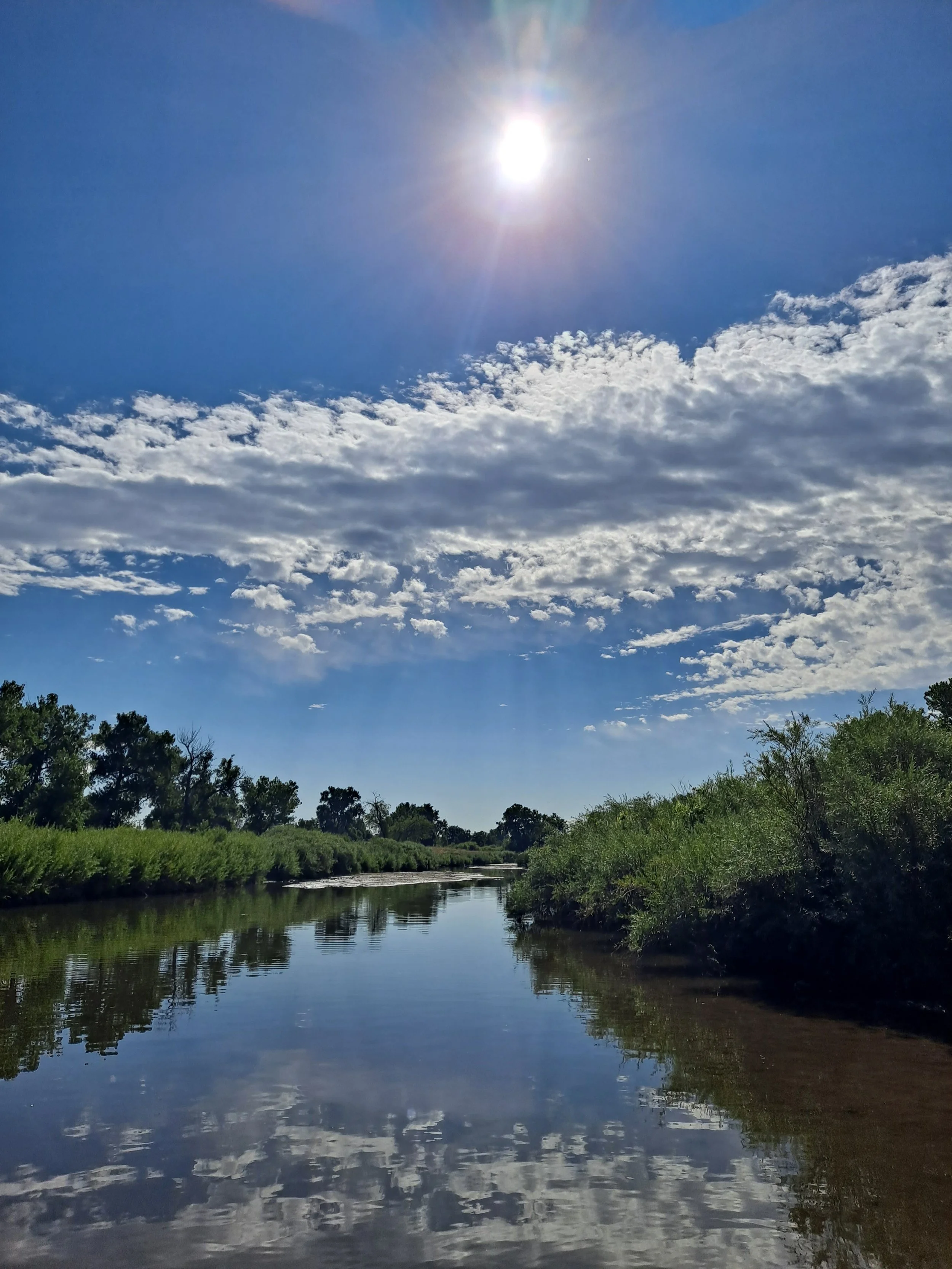
Students will discover what makes a good habitat, the unique characteristics of two different habitats at Bluff Lake, and the many types of living things in each through nature storytelling. Our educators will guide students in making their own observations of living and non-living parts of each habitat, identifying the traits that help them survive and meet their basic needs, and then guide the group in telling ecological stories about each habitat.
Standards: SC.K.2.1, SC.K.3.1, SC.K.3.2, SC.1.2.1, SC.2.2.1, SC.2.2.2, SC.2.3.2, SC.3.2.1, SC.3.2.2, SC.3.2.3, SC.3.2.5
Life Cycles (ECE-3rd)
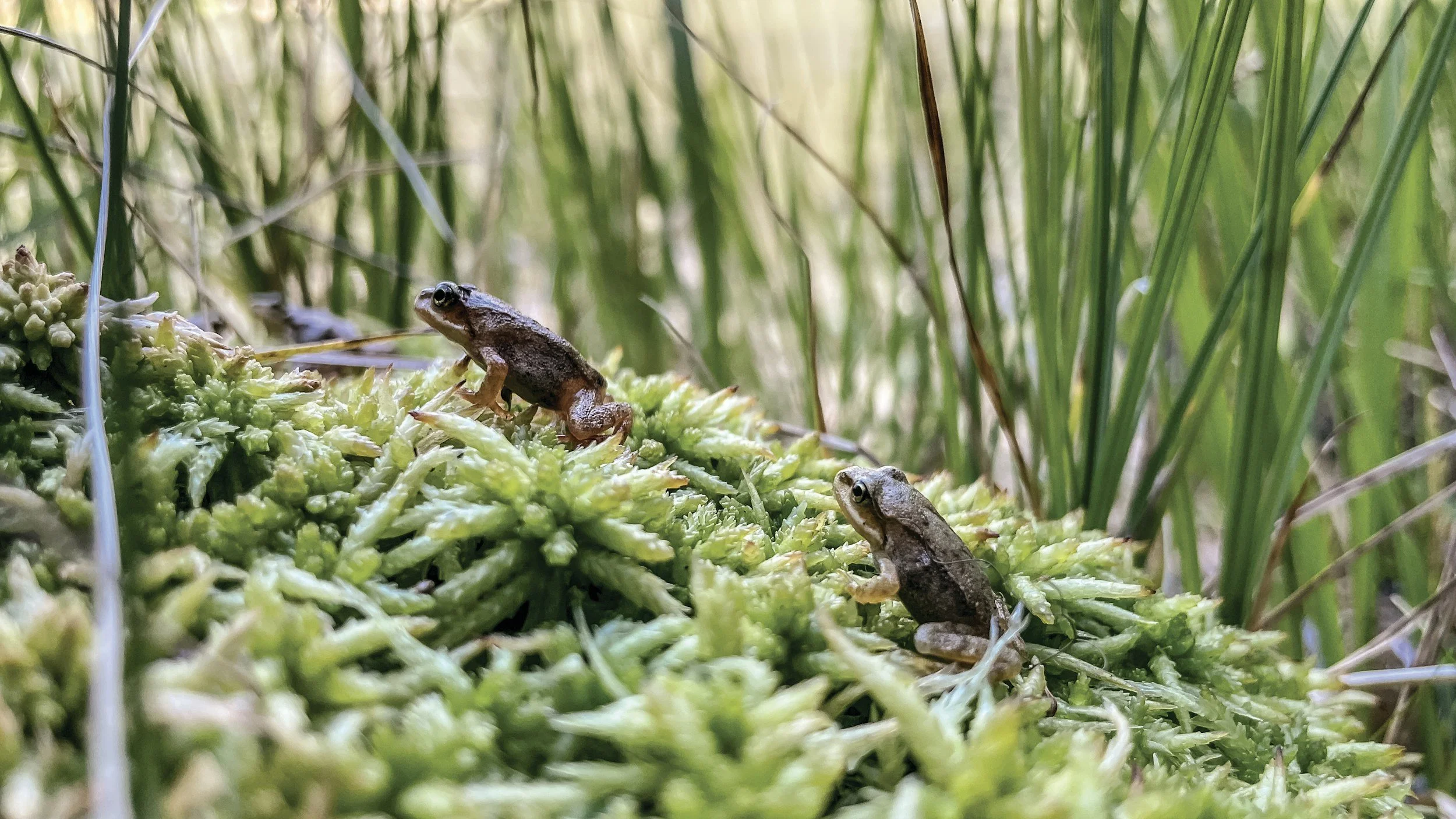
Students will explore the diverse life cycles of several different native animals as they visit different parts of Bluff Lake. Some of the life cycles students may learn about are frogs, butterflies, beetles, birds, and prairie dogs. Through stories, games, and dramatic play, students will experience patterns of life in the natural world and how different species grow, change, and care for their young.
Standards: SC.P.1.1, SC.P.2.1, SC.P.2.2, SC.P.3.1, SC.P.3.2, SC.K.2.1, SC.K.3.2, SC.1.2.1, SC.1.2.2, SC.2.2.2, SC.3.2.1, SC.3.2.2, SC.3.2.3

Outdoor Survival (2nd-5th)
As they explore the natural areas of Bluff Lake, students will also learn and practice some skills necessary for enjoying nature safely and responsibly. Our educators will share the principles of Leave No Trace, guide students in practicing fire building and shelter building, and provide field equipment such as maps, compasses, and binoculars for students to use. As they encounter wildlife, students will make observations to help them interact with nature safely.
Standards: SC.2.1.1, SC.2.2.2, SC.2.3.1, SC.3.1.2, SC.3.3.2, SC.4.1.4, SC.4.3.2, SC.4.3.4, SC.4.3.5, SC.5.3.3, SC.5.3.5

Prairie Dog Mission (3rd-8th)
Students will investigate the structure of two different prairie dog colonies at Bluff Lake. Throughout their investigation, they will collect data - looking for clues such as prairie dogs showing different behaviors, number and placement of holes, amount of scat, tracks, and more. They will also play ecological games to explore how prairie dogs interact with other living things and impact their ecosystems as keystone species.
Standards: SC.3.2.1, SC.3.2.2, SC.3.2.3, SC.4.2.1, SC.4.3.2, SC.4.3.5, SC.5.1.4, SC.5.2.2, SC.5.3.3, SC.5.3.5, SC.MS.2.2, SC.MS.2.3, SC.MS.2.4, SC.MS.2.5, SC.MS.2.6, SC.MS.2.7, SC.MS.2.11, SC.MS.2.12, SC.MS.3.4, SC.MS.3.10

Water Mission (4th-8th)
In partnership with the EarthEcho Water Challenge, students will investigate the question, “Which water source at Bluff Lake is the healthiest for aquatic animals?” They will explore the watersheds of Bluff Lake and Sand Creek and run their own tests of temperature, pH, dissolved oxygen, and turbidity. After testing, they will form conclusions based on their data and observations and discuss the different ways that people can protect the health of water systems.
Standards: SC.4.3.2, SC.4.3.5, SC.5.1.1, SC.5.1.2, SC.5.2.1, SC.5.3.3, SC.5.3.4, SC.5.3.5, SC.MS.1.1, SC.MS.1.2, SC.MS.2.3, SC.MS.2.5, SC.MS.2.6, SC.MS.2.7, SC.MS.3.6, SC.MS.3.10

Ecosystems Mission (4th-8th)
Students will investigate three ecosystems at Bluff Lake, exploring both the living (biotic) and non-living (abiotic) factors. They will use binoculars and field guides to examine different species in the prairie, wetland, and riparian ecosystems, recording their observations in their workbooks. Guided by our educator, they will reflect upon the ways we impact the ecosystems around us and how resources are shared. As they collect data, they will discuss how organisms interact with their environments and each other.
Standards: SC.4.1.4, SC.4.2.1, SC.4.3.2, SC.4.3.3, SC.4.3.4, SC.5.1.1, SC.5.1.4, SC.5.2.1, SC.5.2.2, SC.5.3.3, SC.5.3.5, SC.MS.2.1, SC.MS.2.3, SC.MS.2.5, SC.MS.2.6, SC.MS.2.7, SC.MS.2.10, SC.MS.2.11, SC.MS.2.12, SC.MS.3.4, SC.MS.3.6, SC.MS.3.8, SC.MS.3.10
Scheduling:
PROBLEM-BASED LEARNING (PBL) FIELD TRIP TOPICS
Stewardship Solutions (5th-12th)
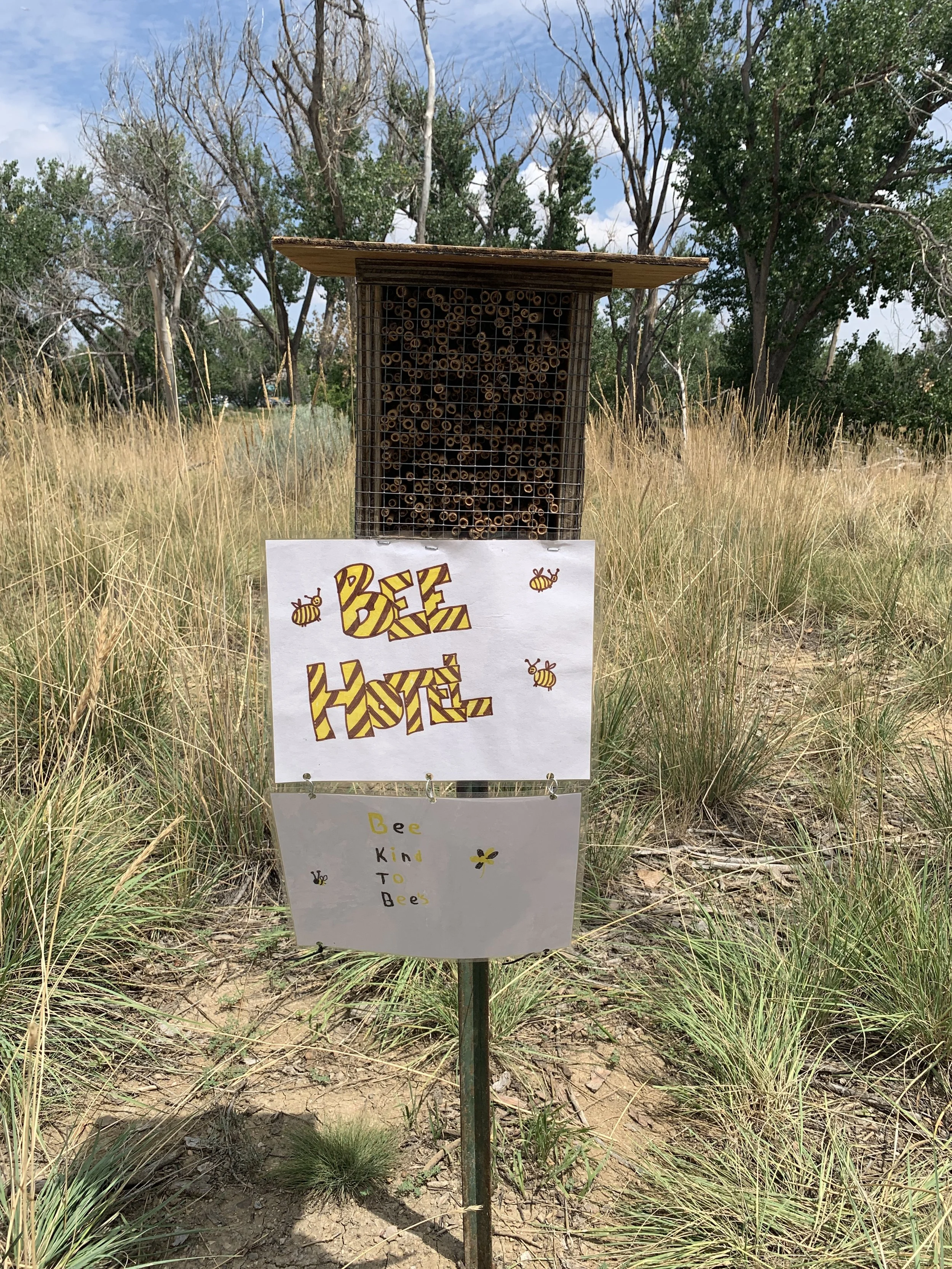
Students will explore problems related to the management of the Bluff Lake Nature Center site. During their on-site field trip, students will identify problems related to human impacts and stewardship of the land and then develop solutions back in their classroom with the support of BLNC staff. Example problems include waste management, trail maintenance, visitor behavioral guidance, and more! Every PBL field trip is followed by two visit from BLNC staff to allow students to refine and share the solutions they develop. Well-defined solutions may be incorporated into future BLNC site management plans when possible.
Ecofriendly Engineering (5th-12th)
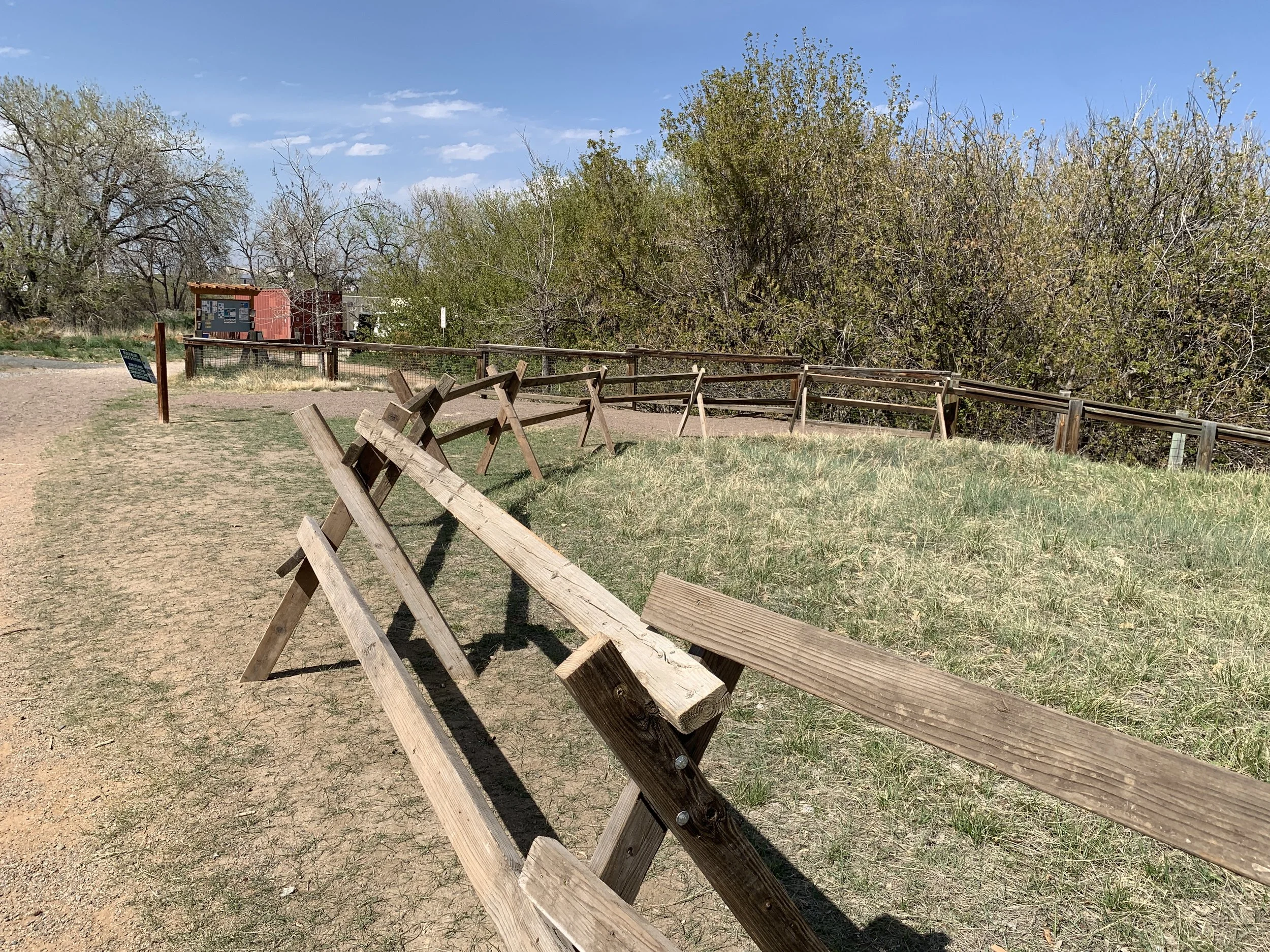
Students will explore problems related to engineered structures on the Bluff Lake Nature Center site. During their on-site field trip, students will identify problems that could be solved using engineering and then develop solutions back in their classroom with the support of BLNC staff. Example problems include shade structures, accessibility modifications, erosion control, and more! Every PBL field trip is followed by two visit from BLNC staff to allow students to refine and share the solutions they develop. Well-defined solutions may be incorporated into future BLNC site management plans when possible.
Science Communication (5th-12th)
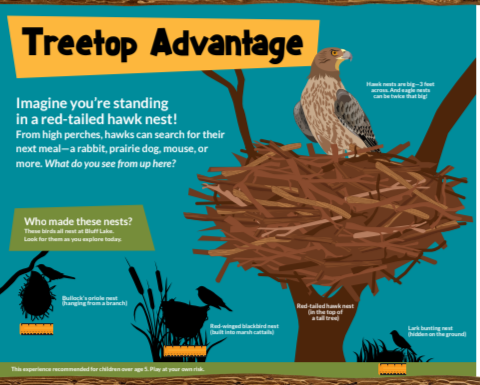
Students will explore problems related to science communication on the Bluff Lake Nature Center site. During their on-site field trip, students will identify problems that could be solved using science communication techniques and then develop solutions back in their classroom with the support of BLNC staff. Example problems include lack of signage, insufficient program marketing, field guide improvements, and more! Every PBL field trip is followed by two visit from BLNC staff to allow students to refine and share the solutions they develop. Well-defined solutions may be incorporated into future BLNC communication plans when possible.
Scheduling:
To schedule a Problem-based Field Trip, email our Education Team at education@blufflake.org
STEWARDSHIP FIELD TRIP TOPICS
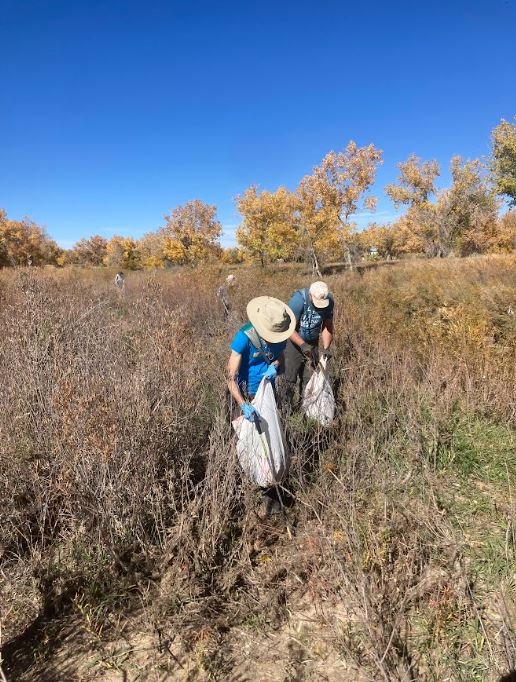
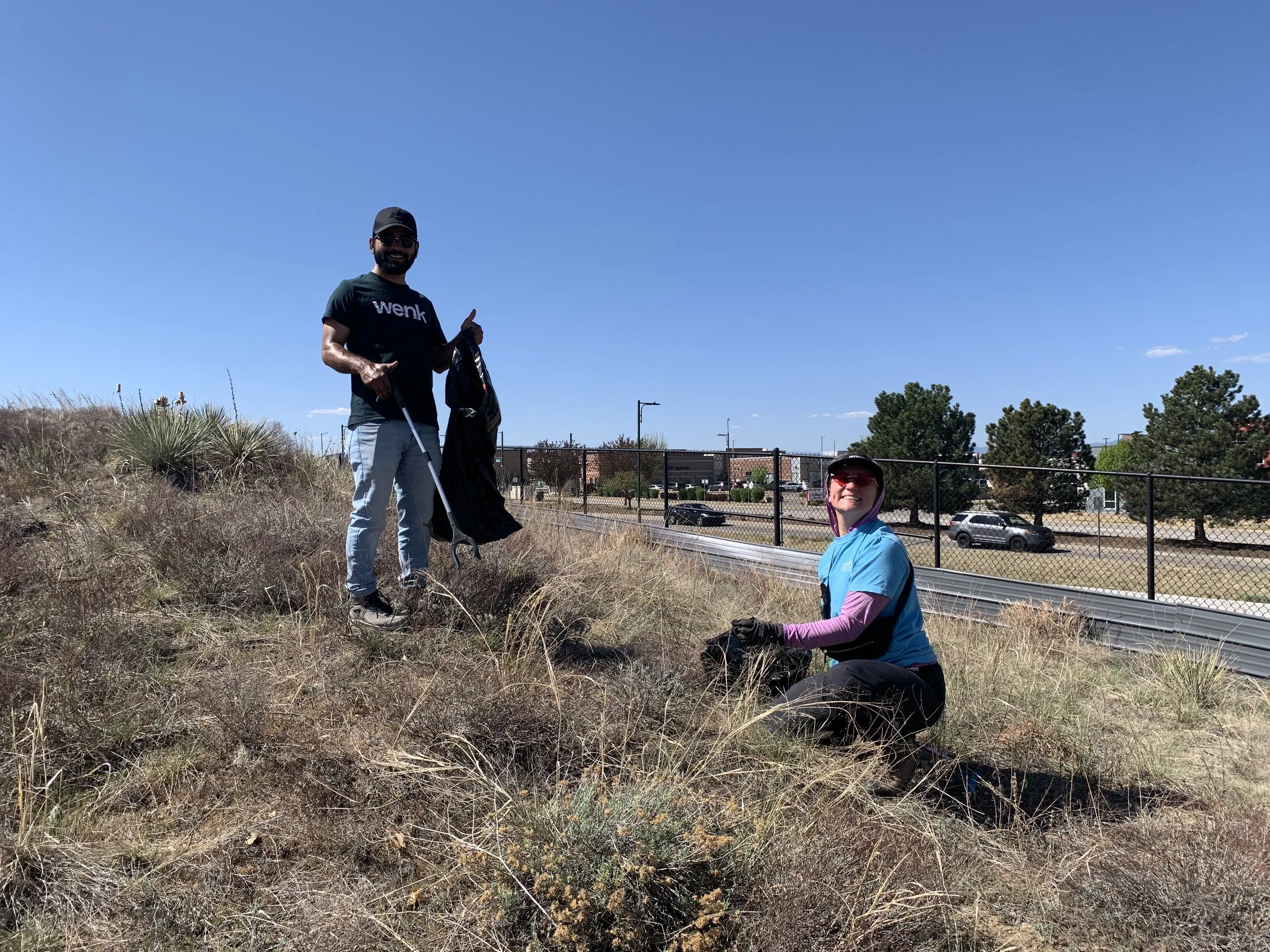
LNT + Trash Pickup (6th-12th)
All year round
Students will learn about Leave No Trace (LNT) principles, reflect upon their own environmental ethics, and explore how water and pollution arrive at the site. Students will finish the field trip with a trash pickup stewardship project led by our Natural Resource Director. We will provide trash pickers, gloves, trash bags, and a challenge! Weigh your trash bags and see if you can collect the most trash!
Standards: SC.MS.2.5, SC.MS.2.7, SC.MS.3.8, SC.MS.3.10, SC.HS.2.6, SC.HS.2.13, SC.HS.3.6, SC.HS.3.9, SC.HS.3.11

Healthy Habitats + Invasive Plant Removal (6th-12th)
Seasonal availability - summer
Students will learn about various habitats at Bluff Lake and what makes them healthy, what species are native vs. invasive, and what roles humans play in it all. Students will finish the field trip with an invasive plant removal stewardship project led by our Natural Resource Director. We will provide gloves and necessary tools.
Standards: SC.MS.2.2, SC.MS.2.5, SC.MS.2.6, SC.MS.2.7, SC.MS.2.11, SC.MS.2.12, SC.MS.3.10, SC.HS.2.6, SC.HS.2.11, SC.HS.2.12, SC.HS.2.13, SC.HS.3.11
Scheduling:
To schedule a Stewardship Field Trip, email our Education Team at education@blufflake.org
Additional Details:
BLNC staff has determined, based on industry standards and our knowledge of the site, that it is not safe to proceed with field trips if the weather forecast calls for a low temperature of 40 degrees Fahrenheit or less.
Bluff Lake Nature Center must be notified of a change in group numbers of five or more participants at least 2 weeks ahead of the scheduled visit date. Changes requested after this date may not be able to be accommodated. Group numbers cannot exceed our maximum group size of 60 without prior approval. There is no limit to chaperone numbers and their numbers do not need to be communicated ahead of time.
Please communicate with BLNC if there are any changes, delays, or interruptions to the group's ability to arrive at the scheduled time. Unless otherwise notified, educators will wait for late or tardy groups for up to one hour. If you are more than one hour late, and have not communicated ahead of time, we will not be able to offer a guided program that day.